How to listen in a scene instead of waiting for your line
Listening on stage and on camera is active work, not a neutral face between lines.
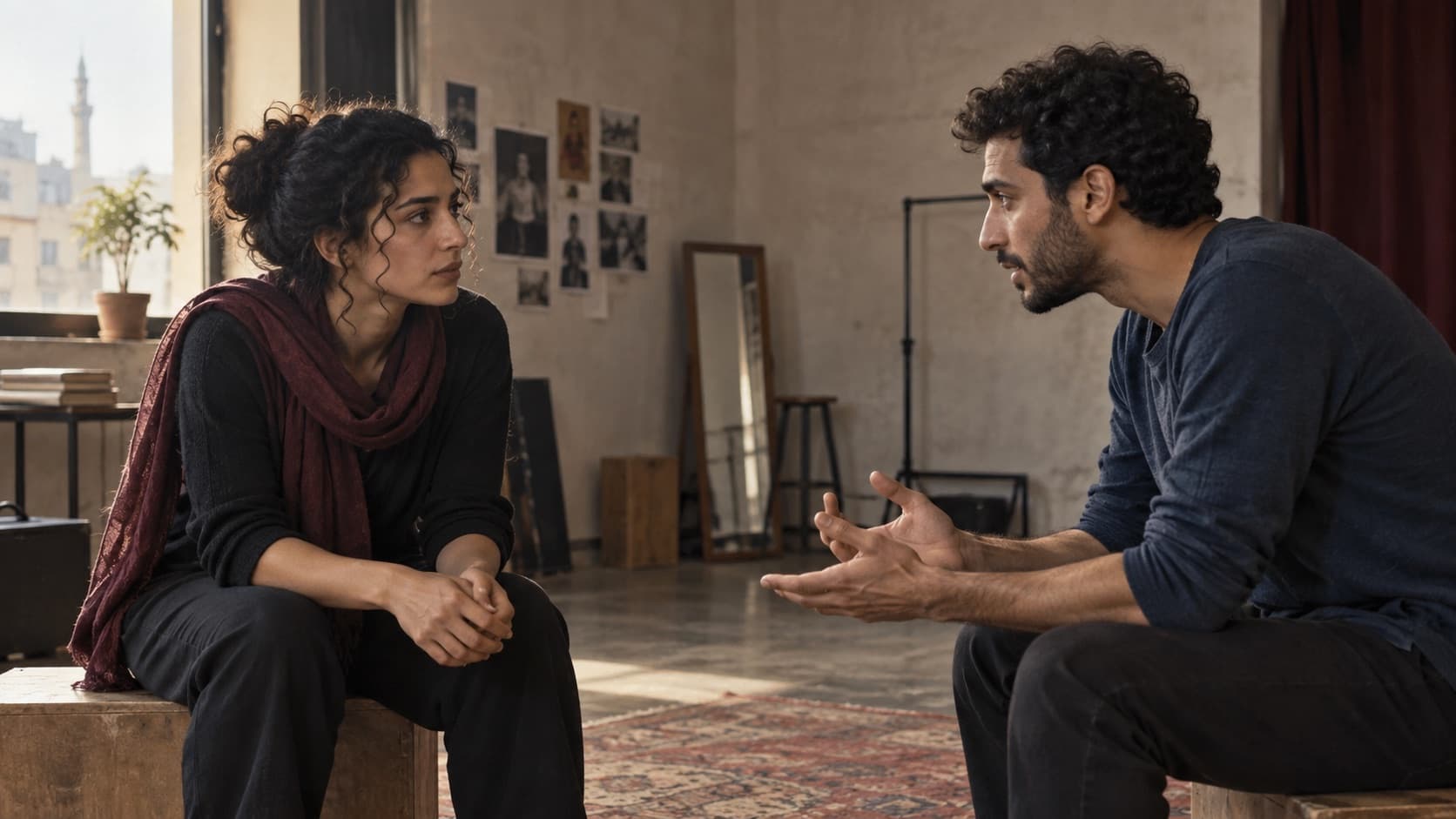
Sometimes an actor learns the part so thoroughly that they stop hearing the scene. They know when the next line arrives, wait for the verbal cue, and deliver what was prepared. The words are correct, but the relationship is absent.
Listening does not mean manufacturing facial reactions. It means allowing the other person's words to change what you do. They may confirm a suspicion, destroy a plan, reassure you, or force a new action. Listening connects to objective because no information is neutral when something is at stake.
In rehearsal, paraphrase what you just heard before saying the written line. Do not use this exercise in performance. Use it to discover whether you understood the thought or merely memorized the timing. Then return to the text with the same attention.
Practice receiving the end of a thought. Actors often begin responding before a partner finishes because they know the script. Let the last word arrive, not as a rigid rule but as an opportunity to be affected. A fast interruption may be right, but it should come from an intentional interruption rather than impatience.
On camera, thought is visible. Do not add signals to prove that you are listening. Put your attention on the partner and the real question of the moment, and let the camera register the shift. Performing the appearance of listening takes you away from it.
After rehearsal ask: what information changed me? On which word did my action shift? Would my response remain identical if my partner delivered the line differently? If the answer is always yes, you may be playing a stored plan rather than the scene in front of you.